


Why Hydrogeological Risk Monitoring Is More Important Than Ever
Landslides, soil settlement, slope instability, and hydrogeological hazards are among the most critical challenges facing infrastructure owners, engineering firms, and public authorities today.
Climate change, urban expansion, and increasingly extreme weather events have significantly increased the need for continuous monitoring of ground conditions.
Modern geotechnical monitoring systems allow engineers to identify early warning signs before failures occur, enabling preventive action and reducing risks to people, assets, and infrastructure.
By combining advanced geotechnical sensors, IoT connectivity, cloud platforms, and predictive analytics, organizations can move from reactive maintenance to proactive risk management.
Understanding Hydrogeological Risk
Hydrogeological instability can be caused by several factors, including:
- increased pore water pressure after heavy rainfall;
- groundwater level fluctuations;
- soil erosion;
- excavation activities;
- seismic events;
- long-term environmental changes.
Monitoring these parameters continuously provides valuable information about the health and stability of the ground.
Next Industries Solutions for Subsurface Monitoring
Next Industries offers a complete ecosystem of geotechnical monitoring technologies designed to collect, transmit, and analyze critical field data in real time.
Inclinometers
Inclinometers measure horizontal ground displacement at different depths.
They are commonly used to:
- identify slip surfaces;
- monitor landslide evolution;
- assess excavation stability;
- control embankments and retaining structures;
- evaluate ground behavior around critical infrastructure.
High-precision MEMS sensors allow engineers to detect even millimetric movements before they become dangerous.
Piezometers
Pore water pressure is one of the most important indicators of geotechnical stability.
Next Industries piezometers provide continuous monitoring of:
- groundwater levels;
- pore pressure conditions;
- seepage behavior;
- hydraulic performance of dams and embankments.
Because increased water pressure can significantly reduce soil strength, piezometric monitoring plays a crucial role in early warning systems.
Extensometers
Extensometers are used to measure deformation and strain within structures and ground masses.
Applications include:
- tunnel monitoring;
- retaining structures;
- dam safety programs;
- foundation monitoring;
- infrastructure asset management.
Continuous measurements help engineers understand structural behavior over time and react before damage occurs.
NI400 Data Logger: The Core of Remote Monitoring
An effective monitoring system requires reliable data acquisition.
The NI400 wireless data logger collects measurements from multiple sensors and transmits them to cloud platforms through:
- LTE;
- NB-IoT;
- LoRaWAN;
- Sigfox.
Key benefits include:
- 24/7 monitoring;
- automated data transmission;
- remote management;
- reduced field visits;
- integration with dashboards and alarm systems.
AI-Powered Predictive Monitoring
Collecting data is only the first step.
Next Industries combines IoT monitoring with advanced analytics and artificial intelligence to:
- identify abnormal trends;
- compare historical and live measurements;
- forecast potential failures;
- generate automatic alerts.
This predictive approach enables faster decision-making and supports proactive maintenance strategies.
Real-World Applications
Landslide Monitoring
Inclinometers track deep ground movements while piezometers measure changes in pore water pressure.
Together, they provide a complete picture of slope stability and help identify dangerous conditions before failure occurs.
Urban Excavation Projects
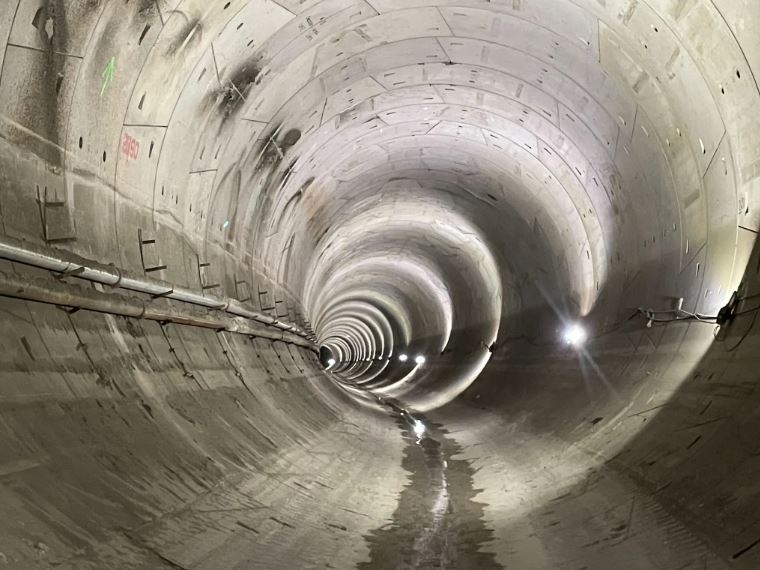
Continuous monitoring during tunneling and deep excavation projects helps engineers control ground movements and protect nearby structures.
Dams and Hydraulic Infrastructure
Monitoring pressure, deformation, and displacement simultaneously ensures long-term safety and operational reliability.
Conclusion
Effective hydrogeological risk management requires continuous monitoring, reliable measurements, and predictive insights.
By integrating piezometers, borehole inclinometers, extensometers, IoT data loggers, and intelligent cloud platforms, Next Industries delivers comprehensive solutions for subsurface monitoring and risk prevention.
Investing in geotechnical monitoring means improving safety, reducing maintenance costs, and building more resilient infrastructure.
Discover Next Industries monitoring solutions
Next Industries develops advanced geotechnical and structural monitoring systems designed for infrastructure safety, predictive maintenance, and real-time risk prevention.
Contact the team to discover how IoT monitoring technologies can improve the safety and resilience of your projects: info@nextind.eu